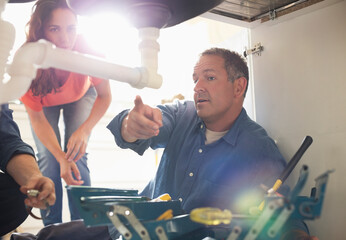
Plumbing is one of those professions that most people do not think about until something goes wrong. When a pipe bursts, a toilet backs up, or there is no hot water, a plumber suddenly becomes one of the most important professionals in a home or business. Denton Plumbers play a critical role in maintaining health, safety, and comfort by ensuring water systems function properly. Their work goes far beyond fixing leaks and unclogging drains.
A plumber is a skilled tradesperson responsible for installing, maintaining, and repairing systems that move water, gas, and waste. Understanding what a plumber does helps highlight how essential this profession truly is in everyday life.
Installing Plumbing Systems in Homes and Buildings
One of the main responsibilities of a plumber is installing plumbing systems in new construction and during renovations. This includes laying pipes that carry water into a building and remove wastewater safely. Plumbers work closely with blueprints and building plans to determine where pipes, fixtures, and appliances should be placed. Accuracy is extremely important because even a small mistake can cause long term problems like leaks or poor water pressure.
In residential settings, plumbers install sinks, toilets, bathtubs, showers, water heaters, and dishwashers. In commercial and industrial buildings, their work is often more complex and may involve large scale piping systems, boilers, and specialized equipment. A plumber must ensure that all installations meet local building codes and regulations, which are designed to protect public health and safety. Proper installation is the foundation of a reliable plumbing system, and plumbers are trained to get it right from the start.
Repairing Leaks, Clogs, and Damaged Pipes
Another major part of a plumber’s job is diagnosing and repairing problems within existing plumbing systems. Leaks are one of the most common issues plumbers handle, whether they come from dripping faucets, cracked pipes, or faulty connections. Even small leaks can lead to water damage, mold growth, and higher utility bills if left unaddressed. Plumbers use their knowledge and tools to locate the source of a leak and fix it efficiently.
Clogged drains and toilets are also frequent reasons people call a plumber. These blockages can be caused by grease buildup, foreign objects, tree roots, or aging pipes. A plumber knows how to safely remove clogs without damaging the plumbing system. In cases where pipes are corroded or broken, plumbers may need to replace sections of piping entirely. Their ability to restore proper flow helps keep homes and businesses running smoothly.
Maintaining Plumbing Systems to Prevent Problems
Plumbers do not only respond to emergencies. Preventive maintenance is an important part of what they do. Regular inspections and maintenance help identify potential issues before they turn into costly repairs. A plumber may check water pressure, inspect pipes for corrosion, test water heaters, and ensure drains are flowing properly.
In commercial buildings, maintenance is especially important because plumbing failures can disrupt operations and affect many people at once. Plumbers may service systems in offices, schools, hospitals, and restaurants to ensure everything remains in good working condition. By performing routine maintenance, plumbers help extend the lifespan of plumbing systems and reduce the likelihood of unexpected breakdowns.
Working With Water Heating and Gas Systems
Many plumbers are also trained to work with water heating and gas systems. Installing and repairing water heaters is a common task, whether the system is a traditional tank model or a modern tankless unit. Plumbers ensure that water heaters are installed safely and operate efficiently to provide consistent hot water.
In addition to water, plumbers often handle gas lines that power appliances such as stoves, furnaces, and water heaters. Working with gas requires specialized training because of the risks involved. A plumber must ensure gas lines are properly connected, sealed, and tested for leaks. This aspect of the job highlights how plumbers contribute to both comfort and safety in a building.
Ensuring Health and Safety Through Proper Sanitation
Plumbing is closely tied to public health. One of the most important things plumbers do is ensure that clean water comes into a building and waste is carried away safely. Without proper plumbing, homes and cities would be vulnerable to contamination and disease. Plumbers install and maintain systems that prevent wastewater from mixing with drinking water.
They also work with sewer lines and drainage systems that remove waste from buildings and direct it to treatment facilities. When these systems fail, plumbers are called to fix the problem quickly to prevent health hazards. Their work helps maintain sanitation standards that people often take for granted but rely on every day.
Using Specialized Tools and Technical Skills
Being a plumber requires a wide range of technical skills and the ability to use specialized tools. Plumbers work with pipe cutters, wrenches, inspection cameras, pressure gauges, and soldering equipment. They must understand how different materials like copper, PVC, and steel behave and how to work with each one correctly.
Problem solving is a big part of the job. Plumbing issues are not always obvious, and plumbers must think critically to diagnose what is happening behind walls or underground. Many plumbers also stay up to date with new technologies such as water efficient fixtures and smart plumbing systems. This combination of hands on skill and technical knowledge makes plumbing a highly skilled trade.
The Importance of Training and Experience
Plumbers typically go through extensive training that includes apprenticeships, classroom instruction, and licensing exams. This training prepares them to handle a wide variety of situations safely and effectively. Experience plays a major role as well, since many plumbing challenges are unique and require judgment developed over time.
Because plumbers work in different environments, from homes to construction sites to industrial facilities, adaptability is important. They often work in tight spaces, outdoors, or in urgent conditions. Their training allows them to stay calm under pressure and deliver reliable solutions.
Final Thoughts on What a Plumber Does
A plumber does far more than fix leaks and unclog drains. They install complex systems, protect public health, maintain essential infrastructure, and ensure that water and gas flow safely through buildings. Their work supports everyday comfort, hygiene, and safety in ways that often go unnoticed until something breaks.
Plumbing is a profession built on skill, responsibility, and trust. When a plumber does their job well, people can enjoy clean water, functional bathrooms, and safe living spaces without a second thought. Understanding what a plumber does reveals just how vital this trade is to modern life.