Fire damage can be one of the most devastating experiences for any property owner. Beyond the visible destruction caused by flames, fire incidents often leave behind smoke residue, soot contamination, structural damage, and water-related issues from firefighting efforts.
SOCOM Restoration is a critical process designed to restore properties safely, efficiently, and thoroughly after a fire event. Understanding how this process works and why professional restoration is essential can help property owners recover faster and protect their long-term investment.
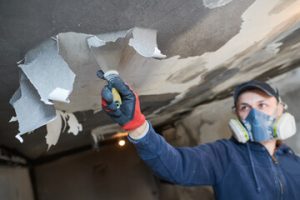
Fire damage restoration involves much more than cleaning burned areas. It is a structured, multi-step approach that focuses on safety, stabilization, odor removal, and rebuilding affected spaces. Proper restoration not only improves appearance but also prevents ongoing damage, health risks, and future structural problems.
Understanding the Full Impact of Fire Damage
Fire damage affects a property in several ways, many of which are not immediately visible. Heat can weaken structural materials, smoke can penetrate walls and insulation, and soot particles can spread throughout a building. Even areas untouched by flames may suffer from corrosion, discoloration, and persistent odors.
Smoke damage is especially problematic because it varies depending on the materials burned. Different types of fires produce different residues, each requiring specialized cleaning techniques. In addition, water used to extinguish the fire often causes secondary damage, including moisture buildup and the potential for mold growth if not addressed promptly.
Key impacts of fire damage include:
- Structural weakening caused by extreme heat
- Smoke and soot contamination throughout the property
Recognizing the full scope of fire damage is the first step toward effective restoration.
Why Immediate Fire Damage Restoration Is Essential
Delaying fire damage restoration can significantly increase repair costs and safety risks. Soot residue is acidic and can continue to damage surfaces long after the fire has been extinguished. Smoke odors become harder to remove over time, and moisture trapped inside walls or flooring can lead to long-term deterioration.
Prompt restoration helps stabilize the property, prevent further damage, and create a safe environment for occupants. It also increases the likelihood of salvaging furniture, fixtures, and personal belongings that may otherwise be lost.
Early intervention focuses on securing the structure, removing hazardous debris, and beginning the cleaning and drying process as soon as possible.
The Fire Damage Restoration Process Explained
Fire damage restoration follows a systematic process designed to address all aspects of damage. Each step plays a crucial role in ensuring a complete recovery and preventing future issues.
The restoration process typically includes:
- Inspection and damage assessment
- Smoke, soot, and odor removal
During the initial inspection, professionals evaluate the extent of fire, smoke, and water damage. This assessment helps determine which areas need immediate attention and which materials can be restored versus replaced. A detailed plan is then developed to guide the restoration process efficiently.
Safety and Property Stabilization
Safety is the top priority during fire damage restoration. Fire can compromise structural elements, making buildings unsafe to enter without proper precautions. Damaged electrical systems, weakened walls, and unstable ceilings must be addressed before restoration work can proceed.
Property stabilization may involve boarding up openings, reinforcing damaged areas, and removing debris that poses a safety risk. These measures protect the property from further damage and create a secure environment for restoration activities.
Stabilization also prevents unauthorized access and protects the property from weather exposure during the restoration process.
Smoke and Soot Removal Techniques
Smoke and soot removal is one of the most challenging aspects of fire damage restoration. Soot particles are extremely fine and can settle into surfaces such as walls, ceilings, fabrics, and ventilation systems. If not removed properly, they can cause permanent staining and lingering odors.
Specialized equipment and cleaning agents are used to remove soot without spreading contamination further. Different surfaces require different techniques, such as dry cleaning for delicate materials and wet cleaning for durable surfaces.
Effective smoke and soot removal improves indoor air quality and prevents long-term damage to building materials and contents.
Odor Elimination and Air Quality Improvement
Fire-related odors can persist long after visible damage is repaired. These odors are caused by smoke particles embedded in porous materials and circulating through air systems. Simply masking the smell is not enough; complete odor elimination requires professional treatment.
Advanced deodorization methods target odor-causing particles at the molecular level. Air filtration and ventilation cleaning help remove contaminants from the indoor environment, restoring fresh and breathable air.
Improving air quality is essential for occupant comfort and health, especially after exposure to smoke residues.
Water Damage After a Fire
Water damage is a common secondary issue following a fire. Firefighting efforts often involve large volumes of water, which can soak floors, walls, and structural components. If moisture is not removed quickly, it can lead to swelling, warping, and microbial growth.
Fire damage restoration includes thorough water extraction and drying using specialized equipment. Moisture monitoring ensures that all affected areas are completely dry before repairs begin.
Addressing water damage promptly prevents additional complications and supports a successful restoration outcome.
Cleaning and Restoring Personal Belongings
Many items affected by fire damage can be cleaned and restored rather than replaced. Furniture, clothing, electronics, and documents may be salvageable depending on the level of exposure to heat, smoke, and water.
Professional restoration techniques are designed to clean, deodorize, and preserve these items whenever possible. This not only reduces replacement costs but also helps property owners retain valuable and sentimental belongings.
Content restoration is an important part of the overall recovery process and contributes to a sense of normalcy after a fire event.
Structural Repairs and Reconstruction
Once cleaning and stabilization are complete, the final phase of fire damage restoration involves repairs and reconstruction. This may include replacing damaged drywall, flooring, insulation, and roofing materials. Structural components weakened by heat may also need reinforcement or replacement.
The goal of reconstruction is to restore the property to a safe, functional, and visually appealing condition. High-quality repairs ensure durability and long-term protection against future issues.
A comprehensive restoration approach addresses both cosmetic and structural concerns to deliver complete recovery.
Health Risks Associated With Fire Damage
Fire damage can pose serious health risks if not properly addressed. Smoke residue contains harmful particles that can irritate the respiratory system and trigger allergic reactions. Soot contamination may include toxic substances depending on the materials burned.
Proper fire damage restoration removes these hazards and restores a safe indoor environment. Professional cleaning and air purification reduce health risks and improve overall comfort for occupants.
Ensuring health and safety is one of the most important reasons to invest in thorough restoration services.
Preventing Long-Term Damage After a Fire
Even after initial repairs, lingering fire damage can cause long-term problems if restoration is incomplete. Hidden soot, trapped moisture, and untreated odors can resurface months later, leading to additional expenses and discomfort.
Comprehensive fire damage restoration focuses on prevention as well as repair. By addressing all affected areas and materials, professionals help protect the property from future deterioration.
Preventative restoration measures provide peace of mind and long-lasting results.
Choosing Professional Fire Damage Restoration Services
Fire damage restoration requires specialized knowledge, equipment, and experience. Attempting to handle the process without professional support can lead to incomplete repairs and ongoing issues.
Professional restoration services offer:
- Thorough assessment and customized restoration plans
- Advanced equipment for cleaning, drying, and deodorization
Experienced restoration teams understand how to manage complex fire damage scenarios efficiently and safely. Their expertise ensures compliance with safety standards and delivers high-quality results.
The Value of Comprehensive Fire Damage Restoration
Fire damage restoration is not just about repairing what was burned; it is about restoring safety, comfort, and functionality to a property. A well-executed restoration process helps property owners recover emotionally and financially after a fire incident.
By addressing smoke, soot, water damage, and structural issues, professional restoration services provide a complete solution. This holistic approach minimizes disruptions, reduces future risks, and helps properties return to their pre-damage condition.
Investing in proper fire damage restoration is a critical step toward recovery and long-term property protection.
Visit our Professional Services Blogs
Smart Choice Plumbing And Air, Sanitize My Airducts, Bethesda Locksmith, Golden Coast Cleaners, Advanced Concrete Staining, Home Pool Cleaners, Brayhines Septic, Shaka Pool And Spa Cleaning,Mr Clean And Shine, Best Appliance Repair Long Beach, Gulf to Bay Water Remediation, Garage Door San Francisco, Richmond Flooring, Fence Builders Woodlands, Colorado Springs Auto, Fuel Frontlines, Expert 24 Option, Sacramento Roseville Real Estate, SLO Homes, Philadelphia Towing, State Powerwashing, Truck Tires Worldwide, Website Translation, Construction Company Farmington NM, Green Home Los Angeles, Trinity SEO Marketing, Electric Fireplaces, Argos Bookkeeping, Christopherson Drywall,Garage Door Installation, Missouri Personal Injury Lawyer Blog, Alvins Auto Body, Carpet Care Pros, Las Vegas Concrete, Clark Concrete Company, Deck Builders Missour City, Lechleitner Builders, Medical Health Insurance Policy, Royal Siding Windows, Carpet Steam Cleaners Review, Go Greeen Lawn Painting, Oakwood Skate Deck, Texas Home Remodeling And Painting, USA Home Repair Remodeling, Dream Home Remodeling Services, Brent Lawn Homes, Great Ernm Homes, Accelerated Orthodontic, Arctic Cooling And Heating, Baltimore Heating And Airconditioning