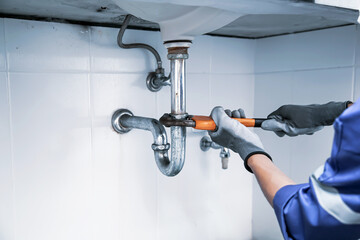
Residential plumbing is one of the most essential systems in any home, yet it is often taken for granted until something goes wrong. From delivering clean water to removing waste safely, a properly functioning plumbing system supports daily comfort, hygiene, and health. Understanding how residential plumbing works, what problems commonly arise, and how to maintain the system can help homeowners avoid costly repairs and unexpected emergencies.
This article explores the fundamentals of residential plumbing, common services, warning signs of problems, and why professional plumbing care is essential for every household.
What Is Residential Plumbing?
Residential plumbing refers to the network of pipes, fixtures, valves, and appliances that supply water to a home and remove wastewater. This system serves kitchens, bathrooms, laundry rooms, and outdoor water connections. It includes both water supply lines that bring in clean water and drainage systems that carry wastewater away.
A typical residential plumbing system is designed to operate quietly and efficiently behind walls and beneath floors. Because much of it is hidden, issues can develop unnoticed until damage becomes visible. That is why understanding the system’s function is so important for homeowners.
The Main Components of a Residential Plumbing System
Residential plumbing systems consist of several interconnected components working together. The water supply system brings fresh water into the home under pressure, while the drainage system relies on gravity to remove wastewater. Vent pipes regulate air pressure and prevent sewer gases from entering living spaces.
Fixtures such as sinks, toilets, showers, and tubs act as access points for water use. Behind each fixture are pipes, traps, and valves that control flow and prevent odors. Appliances like water heaters, dishwashers, and washing machines are also integral parts of residential plumbing and require proper connections to function safely.
Why Residential Plumbing Matters
Plumbing affects nearly every aspect of daily life. Clean water is essential for cooking, bathing, and cleaning, while efficient drainage protects the home from contamination and water damage. When plumbing systems fail, the consequences can include mold growth, structural damage, increased utility bills, and health risks.
Well-maintained residential plumbing improves comfort, preserves property value, and ensures compliance with building codes. It also contributes to water efficiency, which benefits both homeowners and the environment.
Common Residential Plumbing Services
Residential plumbing services cover a wide range of needs, from routine maintenance to emergency repairs. Homeowners often require help with leak detection, pipe repairs, fixture installation, drain cleaning, and water heater service.
Plumbers also handle system upgrades, such as replacing outdated pipes, installing water-efficient fixtures, or remodeling kitchens and bathrooms. Preventative services like inspections and maintenance help identify potential problems before they escalate.
Plumbing Installation in Residential Homes
Proper installation is critical to long-term plumbing performance. Whether it involves installing new pipes, fixtures, or appliances, correct sizing, alignment, and sealing ensure reliable operation. Poor installation can lead to leaks, low water pressure, and premature system failure.
Residential plumbing installation must comply with local building codes and safety standards. Professional plumbers understand these requirements and ensure all work meets regulatory guidelines, protecting homeowners from future complications.
Residential Plumbing Repairs and Maintenance
Over time, even well-installed plumbing systems experience wear and tear. Pipes may corrode, seals may degrade, and fixtures may malfunction. Regular maintenance helps extend the lifespan of plumbing components and reduces the likelihood of sudden failures.
Routine tasks such as inspecting pipes, checking water pressure, flushing water heaters, and cleaning drains contribute to system efficiency. Homeowners who invest in preventative maintenance often save money by avoiding emergency repairs.
Common Residential Plumbing Problems
Some plumbing issues occur more frequently than others in residential homes. Leaky faucets and pipes are common and can waste significant amounts of water if left untreated. Clogged drains often result from grease buildup, hair, soap residue, or foreign objects.
Low water pressure may indicate pipe corrosion, hidden leaks, or valve issues. Running toilets can waste hundreds of gallons of water per day. Water heater problems, such as inconsistent temperatures or unusual noises, signal the need for professional attention.
Warning Signs of Plumbing Issues
Early detection of plumbing problems can prevent extensive damage. Unexplained increases in water bills often indicate hidden leaks. Water stains on walls or ceilings suggest leaking pipes behind surfaces. Slow drains, foul odors, and gurgling sounds may point to drainage or venting problems.
Discolored water, especially rusty or cloudy water, can indicate pipe corrosion or sediment buildup. Any of these signs should prompt homeowners to contact a licensed plumber for evaluation.
Residential Plumbing and Water Efficiency
Modern residential plumbing plays a major role in water conservation. High-efficiency fixtures, such as low-flow toilets and faucets, reduce water usage without sacrificing performance. Energy-efficient water heaters lower utility costs while providing reliable hot water.
Plumbers can help homeowners upgrade to water-saving systems and identify inefficiencies. These improvements not only reduce monthly bills but also support sustainable water use.
The Role of Residential Plumbing in Home Remodeling
Plumbing is a critical consideration in home remodeling projects, especially in kitchens and bathrooms. Relocating fixtures or adding new appliances requires careful planning to ensure proper water supply, drainage, and ventilation.
Professional plumbers work alongside contractors to design systems that support new layouts while meeting code requirements. Proper plumbing design enhances functionality and prevents future problems in remodeled spaces.
Emergency Residential Plumbing Situations
Plumbing emergencies can happen at any time and often require immediate attention. Burst pipes, severe leaks, sewage backups, and water heater failures can cause extensive damage if not addressed quickly.
Knowing where the main water shutoff valve is located can help minimize damage while waiting for professional assistance. Many plumbing companies offer emergency services to restore safety and functionality as quickly as possible.
Why Professional Residential Plumbing Services Matter
While some minor plumbing tasks can be handled by homeowners, many repairs require professional expertise. Licensed plumbers have the training, tools, and experience needed to diagnose problems accurately and perform safe repairs.
Attempting complex plumbing work without proper knowledge can lead to code violations, safety hazards, and increased repair costs. Professional plumbers ensure work is done correctly the first time, protecting both the home and its occupants.
Choosing the Right Residential Plumber
Selecting a qualified residential plumber is an important decision. Homeowners should look for licensed and insured professionals with experience in residential systems. Transparent pricing, clear communication, and positive customer reviews are also key indicators of reliable service.
A trustworthy plumber takes the time to explain problems and solutions, helping homeowners make informed decisions about their plumbing systems.
Long-Term Benefits of Proper Residential Plumbing Care
Consistent care and professional service provide long-term benefits for homeowners. Well-maintained plumbing systems operate more efficiently, last longer, and experience fewer breakdowns. This reliability adds value to the home and reduces stress for occupants.
Investing in residential plumbing maintenance also protects indoor air quality, structural integrity, and water safety. These benefits contribute to a healthier, more comfortable living environment.
Residential Plumbing and Home Value
Plumbing quality is a major factor in home value and buyer confidence. Homes with modern, well-maintained plumbing systems are more attractive to buyers and less likely to face inspection issues during resale.
Upgrades such as new piping, efficient fixtures, and updated water heaters can increase market appeal and reduce concerns about future repairs.
Final Thoughts on Residential Plumbing
Residential plumbing is far more than pipes and fixtures hidden behind walls. It is a vital system that supports comfort, cleanliness, and safety in every home. Understanding how it works and recognizing the importance of professional care helps homeowners protect their investment and avoid unnecessary problems.
Whether addressing a small repair or planning a major upgrade, working with experienced plumbing professionals ensures your home’s plumbing system remains reliable for years to come. With proper maintenance and timely service, residential plumbing can quietly and efficiently support daily life without interruption.
Visit our Professional Services Blogs
Chris Atkins Lawncare, Atticus Landscaping, Treasure Coast Pressure Wash, Gulf Beach Plumbing, Marlborough Plumbing, Guns And Hoses Pressure Washing, Ambrose Construction, Coral Gables Pressure Washing, Willco Photography, Roofing Akron, Danalogsdon Roofing El Cajon, EC Siding Roofing Windows, Aurora Gutter, American Insurance Source, ECO, etdn, Denison Service League, Roofing Blog, Atlantic Vinyl Windows, Brookshires Fireplaces, JD Advanced Remodeling, Product Judgment, Master Dry Foundation Repair, Moe’s Hip, Elta Patio Paramount, Rock Around The Clock Festival, Learn, Play, Beyond, MoralesT Gardening, Car Window Tinting Perth, Duncan Carpentry, Gatestone Lighting, Mid Missouri Mold Inspections, Stucco Repair Albuquerque, Wausau Siding Hire, Munster Tree Care, Blue Granite Homes, Custom House, CENTRAL OS, Atlanta Pavers, Phillips Law Firm, Brent Ryder Masonry, Walker Construction Drywall Division, RJ Law, Caledon Plumbing, DDS Tech USA, Maine Mortgage Services, Inckpen, Seasons at Rose Creek, Cottonwood Place Dental, Cosmetic Laser 2000