Water damage repair is one of the most critical services a property owner may ever need. Whether caused by a burst pipe, appliance failure, storm infiltration, or plumbing backup, water intrusion can rapidly compromise structural materials and indoor environments. The longer moisture remains trapped inside walls, floors, and ceilings, the greater the potential for structural deterioration, microbial growth, and costly reconstruction. Understanding how professional Water Damage Repair Alexandria works helps property owners respond quickly and make informed decisions during a stressful situation.
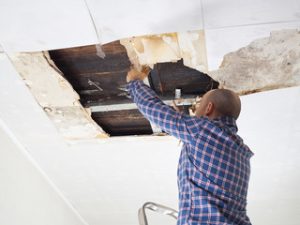
Water damage is deceptive because it often extends far beyond what is visible on the surface. A damp carpet or stained ceiling may only represent a fraction of the underlying problem. Moisture migrates through porous materials such as drywall, insulation, wood framing, and subflooring. Capillary action allows water to travel upward and outward, spreading damage across a wider area than expected. That is why comprehensive water damage repair begins with a methodical inspection rather than immediate cosmetic fixes.
The first step in professional water damage repair is damage assessment and moisture mapping. Technicians use advanced diagnostic equipment, including moisture meters and thermal imaging devices, to identify the extent of water penetration. This stage determines not only the visible damage but also hidden saturation within structural assemblies. The assessment phase establishes a clear repair plan and helps prioritize urgent stabilization tasks.
Water damage is typically classified into categories based on contamination levels. These categories influence repair protocols and safety precautions:
- Clean water damage, often originating from supply lines or rainwater intrusion.
- Gray water damage, involving wastewater from appliances or plumbing fixtures.
- Black water damage, which contains sewage or flood contaminants and requires extensive sanitation.
Understanding the water category ensures that repair efforts address both structural restoration and environmental safety.
After the initial evaluation, water extraction becomes the immediate priority. Standing water must be removed quickly to prevent further material saturation. Industrial pumps and high-capacity wet vacuums are used to extract large volumes of water efficiently. Rapid extraction reduces the overall drying time and limits the extent of demolition required later in the repair process.
Once visible water is removed, structural drying begins. This phase is far more technical than simply placing fans in a room. Professional water damage repair teams design controlled drying environments using commercial air movers and dehumidifiers. These machines create a balanced airflow system that promotes evaporation while simultaneously capturing moisture from the air. Continuous monitoring ensures that drying goals are met without over-drying materials, which can cause cracking or warping.
Moisture monitoring is an essential component of effective water damage repair. Daily readings track the moisture content of affected materials and confirm that the drying process is progressing correctly. Drying is considered complete only when moisture levels return to acceptable industry standards. Skipping this step increases the risk of hidden dampness that could later lead to mold growth or structural decay.
In many cases, selective demolition is necessary. Not all materials can be salvaged after significant water exposure. For example, saturated drywall may lose structural integrity, and certain insulation types retain moisture even after prolonged drying. Controlled removal of irreparably damaged materials prevents contamination and allows underlying structures to dry properly. The goal of professional water damage repair is to remove only what is necessary while preserving as much of the original structure as possible.
Sanitization and deodorization follow the drying phase. Even clean water incidents can leave behind residues and create conditions conducive to microbial growth. Antimicrobial treatments are applied to affected surfaces to inhibit mold and bacteria. In more severe cases involving contaminated water, specialized disinfectants and odor-neutralizing technologies are used to restore a safe indoor environment. Air filtration devices may also be deployed to capture airborne particles during the repair process.
Mold prevention remains a central focus in water damage repair. Mold spores are present in most indoor environments, but moisture triggers their growth. If water damage is not addressed thoroughly within 24 to 48 hours, mold colonies can begin forming on damp materials. These colonies not only damage surfaces but also compromise air quality. Effective repair strategies incorporate proactive mold mitigation through proper drying, sanitation, and moisture control.
The reconstruction phase represents the final stage of water damage repair. Depending on the severity of the incident, this may involve reinstalling drywall, replacing flooring, repainting walls, repairing cabinetry, or restoring ceilings. Skilled repair teams ensure that reconstructed areas match the original appearance while meeting structural and safety standards. The objective is to return the property to its pre-loss condition with long-term durability in mind.
Several common warning signs indicate the need for professional water damage repair. Property owners should remain alert to the following indicators:
- Persistent musty odors that suggest hidden moisture.
- Discoloration or staining on ceilings and walls.
- Warped or buckling flooring materials.
- Peeling paint or bubbling drywall.
- Sudden increases in water bills, which may signal hidden leaks.
Addressing these warning signs early can prevent minor issues from escalating into major structural repairs.
Water damage repair also plays a significant role in protecting property value. Untreated water intrusion can weaken framing, corrode fasteners, and deteriorate foundational components. Over time, these issues compromise structural integrity and may reduce resale value. Proper repair ensures that hidden damage is resolved before it becomes a long-term liability. Comprehensive documentation and professional workmanship contribute to maintaining property credibility and market confidence.
In addition to structural concerns, water damage can disrupt daily life and business operations. Residential properties may experience displacement during repairs, while commercial spaces may suffer operational downtime. Efficient project management is therefore essential. Professional repair teams coordinate timelines, communicate progress clearly, and work systematically to minimize disruption. Clear planning and execution help property owners regain normalcy as quickly as possible.
Preventative maintenance is equally important in reducing future repair needs. Routine plumbing inspections, roof maintenance, and proper drainage management significantly decrease the risk of water intrusion. Installing leak detection devices and monitoring humidity levels can also provide early warnings before significant damage occurs. Preventative measures do not eliminate risk entirely, but they substantially reduce exposure.
Insurance considerations are often part of the water damage repair process. Accurate documentation, including photographs, moisture readings, and itemized repair estimates, supports efficient claims handling. Clear records ensure transparency and help align restoration efforts with policy coverage. Professional repair teams frequently assist property owners in organizing the necessary documentation for smoother claim resolution.
Technology continues to improve the precision and effectiveness of water damage repair. Advanced drying systems use calculated airflow dynamics, while moisture detection equipment identifies water pockets within structural cavities. Data-driven monitoring reduces guesswork and ensures complete drying. These advancements not only shorten repair timelines but also reduce unnecessary material removal, preserving structural components whenever possible.
Water damage repair is ultimately about restoring both structure and stability. The process demands technical expertise, specialized equipment, and a disciplined methodology. Quick cosmetic fixes rarely address the underlying moisture problem. Without proper repair, lingering dampness can lead to mold recurrence, wood rot, and recurring structural issues. Comprehensive restoration ensures that repairs are not merely superficial but structurally sound.
Property owners should treat water intrusion as an urgent matter rather than a minor inconvenience. Even small leaks can escalate rapidly when left unresolved. Acting quickly limits material loss, reduces overall repair costs, and protects occupant health. The difference between minor repairs and extensive reconstruction often comes down to response time and professional intervention.
In the broader context of property management, water damage repair represents a proactive investment in longevity. Well-executed repairs safeguard indoor environments, preserve construction materials, and prevent cascading structural failures. By understanding the repair process—from assessment and extraction to drying, sanitation, and reconstruction—property owners are better equipped to navigate unexpected water-related events with confidence.
Water intrusion may be unavoidable in some circumstances, but the outcome is largely determined by the quality and speed of the response. Professional water damage repair transforms a potentially destructive event into a structured recovery process. Through careful assessment, controlled drying, and meticulous reconstruction, damaged properties can be restored safely and effectively, ensuring long-term resilience and peace of mind.