For properties that rely on septic systems, proper wastewater management is one of those responsibilities that can easily be overlooked until something goes wrong. Unlike many household systems that are visible and easy to monitor, a septic system is largely underground, quietly collecting, treating, and distributing wastewater every day. Because much of its operation happens out of sight, homeowners may not think about septic maintenance until they notice a slow drain, unpleasant odor, standing water, or another warning sign. By that point, a developing problem may already be affecting multiple components of the system. Regular septic service provides a practical way to keep the system functioning properly, identify concerns early, and reduce the possibility of costly and disruptive failures.
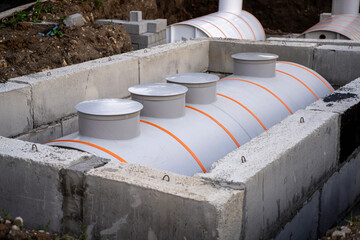
A septic system is more than just a tank buried in the ground. It is a connected wastewater treatment system that depends on several components working together. Wastewater flows from the property into the septic tank, where solids settle, and naturally occurring biological processes help break down organic material. Liquid wastewater then moves toward the drain field or another approved treatment area, where additional treatment and filtration take place. When the system is properly designed, installed, maintained, and used, it can provide dependable wastewater management for many years. However, neglecting routine service can allow solids, sludge, or other problems to interfere with this process. Head over to https://septic-guys.com/ to discover more.
One of the primary reasons septic service is important is that septic tanks have a limited capacity for solids. Wastewater contains materials that settle at the bottom of the tank as sludge, while lighter substances can form a layer of scum near the surface. The liquid between these layers needs to move through the system while the solids remain contained. Over time, the accumulation of sludge and scum reduces the effective capacity of the tank and can eventually interfere with normal operation. Septic pumping and maintenance help remove accumulated solids before they become a significant problem.
The timing of septic service should not be based solely on whether the system currently appears to be working. A septic system can continue operating while gradually approaching an overloaded condition. Waiting until wastewater begins backing up into the property means the system may already be experiencing substantial stress. Regular inspections and pumping allow homeowners to manage the system according to its actual condition instead of responding only after a failure occurs. Service frequency can vary depending on household size, tank capacity, wastewater volume, system design, and usage habits, so a maintenance schedule should be based on the specific characteristics of the property.
There are several important benefits associated with maintaining a septic system proactively:
- It helps prevent unexpected failures. Routine inspections and pumping can identify developing issues before they result in backups, odors, or wastewater surfacing around the property.
- It can extend system performance. Proper maintenance reduces excessive solids accumulation and gives the tank and related components a better opportunity to function as intended over the long term.
Another major benefit of septic service is early problem detection. During a professional inspection, technicians can look for conditions that may not be apparent to the homeowner. These can include excessive sludge accumulation, damaged components, signs of leakage, drainage concerns, or indications that the drain field may not be handling wastewater effectively. Identifying these conditions early can make a significant difference in the type and cost of corrective work required. A small maintenance issue may be manageable, while a neglected problem involving the drain field or other major components can become considerably more complicated.
Drain fields deserve particular attention because they are essential to the treatment process. After wastewater leaves the septic tank, it needs to be distributed into the soil or an appropriate treatment area so that additional biological and physical processes can occur. If the soil becomes saturated, compacted, clogged, or otherwise unable to accept wastewater effectively, drainage problems may develop. Excessive water use, poor maintenance, physical damage, or solids entering the drain field can all contribute to performance problems. Septic service can help monitor the condition of the overall system and identify practices that may place unnecessary stress on the drain field.
Water usage inside the property also has a direct relationship with septic performance. A septic system is designed to process a certain amount of wastewater over time. When unusually large amounts of water enter the system in a short period, the tank and drain field can be placed under additional pressure. Leaking fixtures, inefficient appliances, long showers, frequent laundry cycles, and other sources of unnecessary water use can contribute to the problem. Conserving water does not eliminate the need for professional septic service, but it can support better system performance by reducing the amount of wastewater that must be processed.
What goes down household drains matters as well. Septic systems depend on biological processes, and introducing inappropriate substances can interfere with those processes or contribute to blockages and accumulation. Grease, excessive chemical products, non-degradable materials, and certain household items can create unnecessary problems. Toilets should generally be treated as systems designed for human waste and appropriate toilet paper rather than as disposal points for miscellaneous household materials. Thoughtful wastewater habits can reduce stress on the septic system and complement professional maintenance.
Homeowners should also understand that septic additives are not necessarily a replacement for routine service. Products marketed as solutions for maintaining septic tanks may make broad claims about improving system performance, but they cannot replace pumping, inspection, proper water management, and responsible usage. A healthy septic system depends on physical capacity, biological treatment, soil conditions, and properly functioning components. Maintenance should therefore focus on the actual condition and needs of the system rather than relying on a single product or shortcut.
Warning signs should never be ignored. Slow drains throughout the property can indicate that wastewater is not moving through the system properly. Gurgling plumbing fixtures may also suggest a developing drainage problem. Persistent sewage odors, unusually wet areas near the septic system, lush vegetation in a concentrated area, or wastewater surfacing on the ground can be more serious indicators. Indoor backups are particularly important because they may indicate that the system is no longer handling wastewater effectively. These symptoms can have different causes, but they warrant professional evaluation rather than repeated attempts to temporarily clear individual drains.
Septic service is also important for protecting the surrounding property. When wastewater escapes from a poorly functioning septic system, it can affect soil and nearby areas. Untreated or inadequately treated wastewater may contain contaminants that should not be released into areas where people, pets, or the environment can be exposed. Properly functioning septic systems are designed to treat wastewater before it reaches the surrounding soil and groundwater. Routine maintenance supports this treatment process and helps reduce the possibility of preventable environmental problems.
The structural condition of the septic tank and its components is another consideration. Tanks, covers, pipes, distribution components, and other parts can deteriorate or become damaged over time. Ground movement, vehicle traffic, landscaping activity, root intrusion, corrosion, or general aging can affect underground infrastructure. Because these components are difficult to evaluate visually from the surface, professional inspection can provide useful information about their condition. Addressing structural concerns early may prevent more extensive damage and help homeowners plan necessary repairs.
Property improvements should also take the septic system into account. Adding bathrooms, expanding living space, increasing household occupancy, installing large water-consuming appliances, or changing the property’s layout can affect wastewater demand. A system that performed adequately under one set of conditions may experience greater stress after significant changes. Before undertaking major improvements, homeowners should understand the capacity and condition of their septic system. This can prevent situations where a property expansion unintentionally creates wastewater management problems.
Selling a property is another situation in which septic service can become particularly valuable. A neglected septic system can raise concerns during a property inspection and potentially complicate negotiations. Having maintenance records, inspection information, and evidence of responsible system care can provide greater clarity about the property’s wastewater infrastructure. Even when no sale is planned, maintaining documentation of service can help homeowners track pumping history, repairs, inspections, and other important information. A simple maintenance record can become useful when diagnosing future problems or planning long-term system care.
Professional septic service should always begin with an understanding of the specific system rather than a one-size-fits-all approach. Different properties can have different tank sizes, drain field configurations, soil characteristics, usage patterns, and maintenance requirements. A qualified technician can evaluate these factors and provide recommendations that are appropriate for the system. This is especially important when homeowners are unsure about the location of the tank, the last pumping date, or the history of previous maintenance.
Preventive septic maintenance can also provide homeowners with greater peace of mind. A wastewater backup is more than an inconvenience. It can disrupt daily routines, create unpleasant conditions, damage interior areas, and require urgent service. In more serious situations, extensive repairs may be necessary. Routine septic service cannot prevent every possible failure, but it can reduce the likelihood of problems caused by neglected maintenance or excessive solids accumulation. Knowing that the system has been professionally evaluated can also make it easier to recognize when a new problem develops.
Long-term septic care ultimately comes down to understanding that underground systems require attention even when they appear to be working normally. A lack of visible problems is not proof that a septic system is in perfect condition. Solids continue to accumulate, components continue to age, and wastewater continues to move through the system every day. Regular service creates opportunities to evaluate these changes and respond appropriately.
A responsible septic maintenance routine combines professional service with good household habits. Homeowners should monitor water consumption, avoid putting inappropriate materials down drains, protect the area around the tank and drain field from unnecessary physical stress, and pay attention to changes in plumbing performance. They should also keep track of pumping and inspection dates so that maintenance does not become an afterthought. These simple practices can support the professional work performed on the system and contribute to more reliable wastewater management.
Ultimately, the importance of septic service goes far beyond keeping drains flowing. A properly maintained septic system supports household sanitation, protects the property from wastewater-related damage, contributes to environmental protection, and can help preserve the long-term value of the property. Because the system operates largely underground, homeowners must take a proactive approach rather than waiting for visible failure.
Regular septic service provides an opportunity to inspect, pump, maintain, and repair the system before small concerns become major problems. It also gives homeowners a clearer understanding of how their wastewater system is performing and what can be done to protect it. With appropriate maintenance and responsible daily use, a septic system can continue serving a property effectively for many years. The most important step is simply recognizing that septic care is not an occasional emergency task but an essential part of responsible property maintenance.
