Brick has a way of giving a property a sense of permanence that few other building materials can quite reproduce. Its texture, proportions, color variations, and carefully arranged patterns can make a wall feel substantial while also adding warmth and character to the surrounding architecture. Yet attractive brickwork is not simply a matter of stacking individual units and filling the spaces between them. Quality masonry brickwork depends on careful planning, accurate installation, appropriate materials, sound joint work, and an understanding of how masonry responds to weather, moisture, movement, and time. Professional masonry brickwork service brings these elements together, creating results that are designed to look good when completed and continue performing properly long after the project is finished.
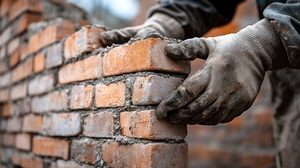
The appeal of brick masonry extends beyond appearance because brick can serve several different purposes within a property. It may be used for exterior walls, retaining structures, walkways, columns, fireplaces, garden features, entry areas, decorative accents, and other architectural elements. Depending on the design, brickwork can create a traditional appearance, a clean contemporary effect, or a more textured and handcrafted visual style. The versatility of masonry makes it suitable for both functional construction and aesthetic improvements. Professional brickwork service helps ensure that the selected design is not only visually appropriate but also properly suited to the intended application. Learn more by visiting https://www.gkconstructionsolutions.com/general-contractors-nashville-tn.
One of the most important aspects of masonry brickwork is the relationship between individual materials and the larger structure. Bricks are only one component of a masonry assembly. Mortar, joints, backing materials, flashing, drainage provisions, reinforcement where required, and surrounding structural elements all influence how the finished brickwork performs. If one component is poorly selected or incorrectly installed, the finished surface may develop problems even when the bricks themselves are high quality. This is why professional masonry work begins with understanding the entire assembly rather than treating brick as an isolated decorative material.
The craftsmanship involved in brick installation is particularly visible in the layout. Straight lines, consistent joints, properly aligned corners, and carefully planned transitions contribute significantly to the appearance of a finished masonry project. Small inconsistencies can become surprisingly noticeable when repeated across an entire wall or structure. Experienced masons understand how to maintain alignment while accounting for openings, corners, changes in pattern, and other architectural details. This attention to proportion and placement is what can turn ordinary brickwork into an architectural feature.
Masonry brickwork service can generally provide value in two major areas:
- Functional performance: Properly constructed masonry can provide durable surfaces and structures capable of handling everyday environmental exposure and normal use.
- Architectural character: Brick introduces texture, pattern, scale, and material depth that can significantly influence the visual identity of a property.
These qualities are not mutually exclusive. In the best masonry projects, appearance and performance work together. A wall should look intentional because it has been constructed carefully, and it should perform reliably because the construction details behind that appearance have been properly considered.
Mortar deserves particular attention because it plays a critical role in the performance and appearance of brickwork. Mortar connects individual masonry units, helps distribute loads, and contributes to the weather resistance of the assembly. The color, texture, tooling, and joint profile can also influence the overall appearance of a wall. However, mortar selection should not be based solely on visual preference. The mortar needs to be compatible with the masonry units and the application. An inappropriate combination can contribute to cracking, deterioration, or moisture-related problems over time. Professional masonry service takes compatibility into account when selecting and applying mortar.
The condition of existing brickwork also requires a careful eye. Older masonry may develop cracked joints, loose bricks, spalling, discoloration, moisture damage, or areas where previous repairs have failed. In some cases, the problem is limited to deteriorated mortar joints and can be addressed through repointing. In other situations, individual bricks may need to be removed and replaced. More extensive deterioration may indicate that moisture management, structural movement, or another underlying issue needs attention. Professional masonry brickwork service focuses on identifying the cause of deterioration rather than simply covering up the visible symptom.
Repointing is a particularly useful masonry service when mortar joints have deteriorated, but the majority of the brick units remain sound. The process involves carefully removing damaged mortar to an appropriate depth and installing new compatible mortar. When performed correctly, repointing can restore the appearance of the wall while improving the condition of the masonry joints. It is a detail-oriented process because removing too much material or damaging surrounding bricks can create additional problems. Matching the new mortar to the existing masonry also requires consideration of color, texture, joint profile, and material compatibility.
Moisture management is another major consideration in brick masonry. Brick itself can absorb and release moisture, so masonry walls need to be designed and maintained with water movement in mind. Water can enter through joints, openings, cracks, or poorly detailed transitions. If moisture becomes trapped within the wall assembly, it can contribute to deterioration, staining, freeze-related damage in applicable climates, or damage to surrounding materials. Proper flashing, drainage pathways, joint maintenance, and appropriately designed openings can help manage moisture. Professional masonry service can identify vulnerable areas and recommend appropriate solutions based on the construction of the property.
Cracking is one of the most common concerns associated with masonry, but not every crack has the same meaning. Some cracks may be superficial, while others can indicate movement within the structure or surrounding foundation. The location, direction, width, pattern, and progression of a crack can provide useful information about its possible cause. Simply filling a crack without understanding why it developed may result in a temporary repair rather than a lasting solution. A professional masonry evaluation can help determine whether the concern is primarily related to the masonry itself or connected to another part of the building.
Brick selection is also an important part of new masonry projects. Different brick products can vary in size, color, texture, density, absorption characteristics, and intended application. Choosing materials solely because they look attractive may create compatibility or performance concerns. The design should consider how the brick will interact with mortar, surrounding materials, exposure conditions, and the architectural style of the property. A well-planned masonry project uses material selection as part of the overall design rather than treating it as a final cosmetic decision.
Pattern can have an equally significant effect on the finished appearance. Traditional running bonds, stacked arrangements, basket patterns, decorative borders, and other layouts can create different visual impressions. The choice of pattern affects how the eye perceives scale and proportion. A carefully selected arrangement can make a wall appear more substantial, emphasize architectural lines, or create a distinctive focal point. Professional masons can help translate a design concept into a practical installation plan while ensuring that the pattern remains consistent across the project.
Brickwork can also be used to create visual continuity across a property. Instead of treating masonry as a single isolated feature, homeowners can use similar materials, colors, textures, or patterns across multiple areas. A brick walkway can complement an exterior wall, while masonry columns or borders can reinforce the same architectural language. The goal does not have to be perfect uniformity. In many designs, subtle variations actually make the property feel more natural and visually interesting. The key is creating relationships between different elements so that the masonry feels intentionally integrated into the overall design.
Professional masonry brickwork is especially valuable when a project involves structural elements. Walls, columns, retaining structures, and other load-bearing or heavily exposed masonry features require more than surface-level installation skills. Proper foundation preparation, reinforcement where required, drainage, alignment, and structural considerations all become important. The consequences of poor construction can extend beyond appearance, making professional planning essential for projects where masonry has a structural role.
Maintenance is another factor that contributes to the long service life of brickwork. Even durable masonry benefits from periodic attention. Homeowners should watch for deteriorating mortar, damaged bricks, cracks, unusual moisture, vegetation growing within joints, and changes in areas around openings or transitions. Gutters and drainage components should also function properly so that water does not repeatedly discharge against masonry surfaces. Addressing small concerns while they are still localized can help protect the broader wall assembly and preserve its appearance.
When brickwork needs restoration, matching the existing masonry can be one of the more challenging aspects of the project. Older bricks may have distinctive dimensions, textures, colors, or firing characteristics that are difficult to reproduce exactly. Mortar can also change appearance over time. A successful restoration therefore requires attention to both the new material and the existing material. The goal is not always to make every brick look identical but to create a repair that is visually compatible and technically appropriate.
Masonry brickwork can also contribute to the perceived quality of a property. Durable, carefully constructed brick features tend to communicate a sense of permanence and craftsmanship. Unlike finishes that may quickly appear dated or worn, brick can develop character as it ages. Minor variations and natural weathering can become part of the material’s appeal when the underlying masonry remains sound. This makes brickwork an attractive option for homeowners who want improvements that are not purely temporary or dependent on frequent cosmetic updates.
At the same time, homeowners should approach masonry projects with realistic expectations. Brickwork is a skilled trade, and quality results depend heavily on preparation and workmanship. Weather conditions, material availability, existing construction, project complexity, and curing requirements can all influence the process. Rushing the installation or choosing materials based only on the lowest upfront cost can compromise the final result. A professional masonry service should provide a clear understanding of the proposed work, materials, preparation requirements, and expected outcome before construction begins.
The right masonry contractor should also understand that every property presents different challenges. An existing brick wall may require restoration rather than replacement. A new outdoor feature may need to be designed around drainage and soil conditions. A decorative project may require especially careful attention to pattern and color consistency. Structural masonry may require engineering considerations beyond ordinary installation. The service should therefore be adapted to the actual purpose of the project rather than relying on a standardized approach.
Ultimately, masonry brickwork is valuable because it brings together material strength and visual expression. Brick can define an entrance, establish a boundary, add texture to an exterior, create a durable pathway, or become a focal point within an architectural design. But the material reaches its full potential only when it is installed and maintained correctly. Professional masonry brickwork service provides the knowledge and craftsmanship necessary to make that happen, from selecting compatible materials to maintaining alignment, controlling moisture, constructing durable joints, and addressing problems in existing masonry.
A well-executed masonry project should feel like a natural part of the property rather than something simply added to it. Its lines should complement the surrounding architecture, its materials should suit the environment, and its construction should be strong enough to withstand years of ordinary exposure. Whether the goal is to build new brickwork, restore an existing wall, repair deteriorated joints, or introduce a new architectural feature, careful planning makes a significant difference.
In the end, the importance of professional masonry brickwork service comes down to more than making brick look attractive. It is about respecting the material and understanding how every individual component contributes to the finished result. Good masonry combines precision, durability, proportion, moisture management, material compatibility, and craftsmanship. When these elements are handled properly, brickwork can become one of the most enduring features of a property, offering both practical performance and a distinctive sense of character for many years to come.
